Buy heizsysteme.eu ?
We are moving the project
heizsysteme.eu .
Are you interested in purchasing the domain
heizsysteme.eu ?
domain@kv-gmbh.de · 0541-91531010
Buy heizsysteme.eu ?
Which gas boiler is suitable for heating underfloor heating and radiators?
A condensing gas boiler with a high efficiency rating would be suitable for heating both underfloor heating and radiators. This type of boiler is designed to maximize the heat from the fuel it burns, making it more efficient and cost-effective. It can provide the high temperatures needed for radiators as well as the lower temperatures required for underfloor heating systems. Additionally, a modulating gas boiler would be ideal as it can adjust its output to meet the varying demands of both underfloor heating and radiators, providing consistent and comfortable heat throughout the home. **
How do I correctly connect the wall thermostat of my underfloor heating?
To correctly connect the wall thermostat of your underfloor heating, you will first need to turn off the power to the heating system. Then, you will need to connect the thermostat to the appropriate wires, typically labeled as "line" and "load." Make sure to follow the manufacturer's instructions and any local electrical codes when making the connections. Once the thermostat is connected, you can turn the power back on and set the desired temperature for your underfloor heating system. If you are unsure about the process, it is best to consult a professional electrician for assistance. **

Similar search terms for Connect
Top-Angebote
Products related to Connect:
-
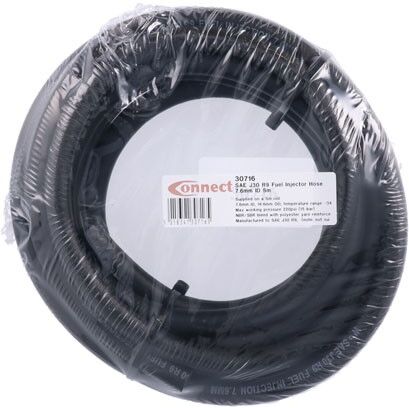
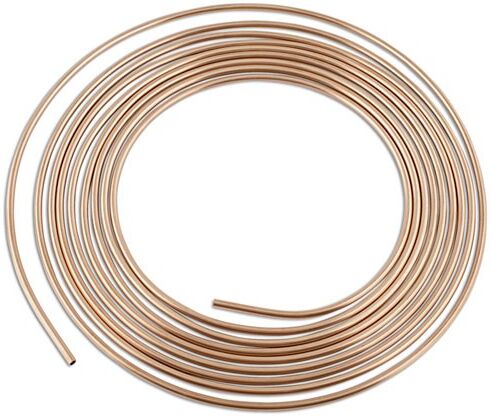
Connect 30716 Fuel HoseInner Diameter [mm]: 7,6; Outer Diameter [mm]: 14,6; Hose Length [m]: 5; Operating pressure to [bar]: 15; Fuel Type: Ethanol Blended Petrol (E10), Petrol; Material: NBR (Nitrile Butadiene Rubber)/ACM (Polyacrylic Rubber); Supplementary Article / Supplementary Info: with reinforcement; Temperature range from [°C]: -34; Temperature range to [°C]: +135; Certificate: SAE J30 R929,49 £*Shipping: 0,00 £Secure redirect to the provider
-
How do I connect a heat pump dryer to a heat pump?
To connect a heat pump dryer to a heat pump, you will need to ensure that the heat pump dryer is compatible with the heat pump system. The heat pump dryer should have a compatible plug or connection that can be linked to the heat pump. You may need to consult the manufacturer's instructions or a professional installer to ensure that the connection is made properly and safely. It's important to follow all safety guidelines and manufacturer recommendations when connecting the heat pump dryer to the heat pump system. **
-
How can the underfloor heating be run through a heat pump?
Underfloor heating can be run through a heat pump by using the heat pump to transfer heat from the ground or outside air into the water or air that circulates through the underfloor heating system. The heat pump uses a refrigerant to absorb heat from the ground or air and then transfers that heat to the water or air in the underfloor heating system. This allows the underfloor heating to be powered by the heat pump, which is a more energy-efficient and environmentally friendly option compared to traditional heating systems. Additionally, the heat pump can also be used to provide cooling for the underfloor heating system during warmer months. **
-
Do you need radiators with underfloor heating?
No, you do not need radiators with underfloor heating. Underfloor heating systems are designed to provide efficient and even heat distribution throughout a room, eliminating the need for traditional radiators. This allows for more flexibility in room layout and design, as well as reducing dust and allergens that can be circulated by radiators. Underfloor heating is a popular choice for new construction and renovations due to its energy efficiency and comfort benefits. **
-
How do heat pump radiators work?
Heat pump radiators work by using a heat pump to transfer heat from the outside air to the inside of a building. The heat pump absorbs heat from the outside air and then uses a compressor to increase the temperature of that heat. The heated air is then circulated through the building using a fan, providing warmth. Heat pump radiators are an energy-efficient way to heat a building, as they use the natural heat from the outside air to provide warmth indoors. **

How do I connect a pool heat pump?
To connect a pool heat pump, you will first need to choose a suitable location near the pool with good air circulation and access to electricity. Next, you will need to install a dedicated electrical circuit and connect the heat pump to the power supply. Then, you will need to connect the heat pump to the pool's filtration system, typically by installing a bypass valve to regulate the flow of water through the heat pump. Finally, you will need to follow the manufacturer's instructions to set up and program the heat pump for optimal performance. It is recommended to consult a professional for the installation to ensure safety and proper functioning. **
How do you heat with a heat pump when the underfloor heating is too warm?
If the underfloor heating is too warm when using a heat pump, there are a few potential solutions. One option is to adjust the temperature settings on the heat pump to a lower setting, which will reduce the amount of heat being produced. Another option is to install a zoning system, which allows for different areas of the underfloor heating to be controlled separately, so that the temperature can be adjusted as needed. Additionally, adding insulation to the underfloor heating system can help to regulate the temperature and prevent it from becoming too warm. **
Top-Angebote
Products related to Connect:
-
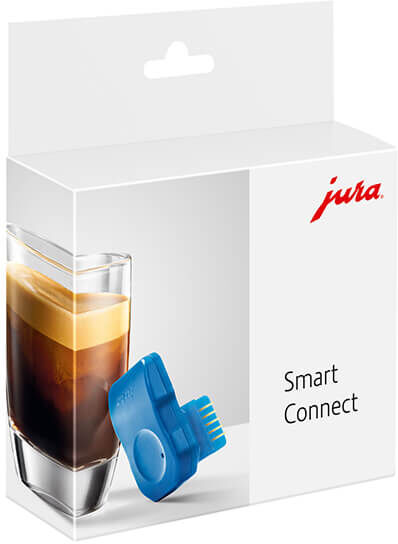
Jura Smart ConnectThe Jura smart connect allows you to connect to your Jura coffee machine via bluetooth. The smart connect device plugs into any compatible coffee that has the smart connect feature. The smart connect uses an app on your smartphone to take control of your coffee machine and accessories.e56,95 £*Shipping: 0,00 £Secure redirect to the provider
-
Connect 30716 Fuel HoseInner Diameter [mm]: 7,6; Outer Diameter [mm]: 14,6; Hose Length [m]: 5; Operating pressure to [bar]: 15; Fuel Type: Ethanol Blended Petrol (E10), Petrol; Material: NBR (Nitrile Butadiene Rubber)/ACM (Polyacrylic Rubber); Supplementary Article / Supplementary Info: with reinforcement; Temperature range from [°C]: -34; Temperature range to [°C]: +135; Certificate: SAE J30 R929,49 £*Shipping: 0,00 £Secure redirect to the provider
-
Which gas boiler is suitable for heating underfloor heating and radiators?
A condensing gas boiler with a high efficiency rating would be suitable for heating both underfloor heating and radiators. This type of boiler is designed to maximize the heat from the fuel it burns, making it more efficient and cost-effective. It can provide the high temperatures needed for radiators as well as the lower temperatures required for underfloor heating systems. Additionally, a modulating gas boiler would be ideal as it can adjust its output to meet the varying demands of both underfloor heating and radiators, providing consistent and comfortable heat throughout the home. **
-
How do I correctly connect the wall thermostat of my underfloor heating?
To correctly connect the wall thermostat of your underfloor heating, you will first need to turn off the power to the heating system. Then, you will need to connect the thermostat to the appropriate wires, typically labeled as "line" and "load." Make sure to follow the manufacturer's instructions and any local electrical codes when making the connections. Once the thermostat is connected, you can turn the power back on and set the desired temperature for your underfloor heating system. If you are unsure about the process, it is best to consult a professional electrician for assistance. **
-
How do I connect a heat pump dryer to a heat pump?
To connect a heat pump dryer to a heat pump, you will need to ensure that the heat pump dryer is compatible with the heat pump system. The heat pump dryer should have a compatible plug or connection that can be linked to the heat pump. You may need to consult the manufacturer's instructions or a professional installer to ensure that the connection is made properly and safely. It's important to follow all safety guidelines and manufacturer recommendations when connecting the heat pump dryer to the heat pump system. **
-
How can the underfloor heating be run through a heat pump?
Underfloor heating can be run through a heat pump by using the heat pump to transfer heat from the ground or outside air into the water or air that circulates through the underfloor heating system. The heat pump uses a refrigerant to absorb heat from the ground or air and then transfers that heat to the water or air in the underfloor heating system. This allows the underfloor heating to be powered by the heat pump, which is a more energy-efficient and environmentally friendly option compared to traditional heating systems. Additionally, the heat pump can also be used to provide cooling for the underfloor heating system during warmer months. **
Similar search terms for Connect
-
Do you need radiators with underfloor heating?
No, you do not need radiators with underfloor heating. Underfloor heating systems are designed to provide efficient and even heat distribution throughout a room, eliminating the need for traditional radiators. This allows for more flexibility in room layout and design, as well as reducing dust and allergens that can be circulated by radiators. Underfloor heating is a popular choice for new construction and renovations due to its energy efficiency and comfort benefits. **
-
How do heat pump radiators work?
Heat pump radiators work by using a heat pump to transfer heat from the outside air to the inside of a building. The heat pump absorbs heat from the outside air and then uses a compressor to increase the temperature of that heat. The heated air is then circulated through the building using a fan, providing warmth. Heat pump radiators are an energy-efficient way to heat a building, as they use the natural heat from the outside air to provide warmth indoors. **
-
How do I connect a pool heat pump?
To connect a pool heat pump, you will first need to choose a suitable location near the pool with good air circulation and access to electricity. Next, you will need to install a dedicated electrical circuit and connect the heat pump to the power supply. Then, you will need to connect the heat pump to the pool's filtration system, typically by installing a bypass valve to regulate the flow of water through the heat pump. Finally, you will need to follow the manufacturer's instructions to set up and program the heat pump for optimal performance. It is recommended to consult a professional for the installation to ensure safety and proper functioning. **
-
How do you heat with a heat pump when the underfloor heating is too warm?
If the underfloor heating is too warm when using a heat pump, there are a few potential solutions. One option is to adjust the temperature settings on the heat pump to a lower setting, which will reduce the amount of heat being produced. Another option is to install a zoning system, which allows for different areas of the underfloor heating to be controlled separately, so that the temperature can be adjusted as needed. Additionally, adding insulation to the underfloor heating system can help to regulate the temperature and prevent it from becoming too warm. **
* All prices are inclusive of VAT and, if applicable, plus shipping costs. The offer information is based on the details provided by the respective shop and is updated through automated processes. Real-time updates do not occur, so deviations can occur in individual cases. ** Note: Parts of this content were created by AI.